

From Al-Jazeera

By Omar Shahid
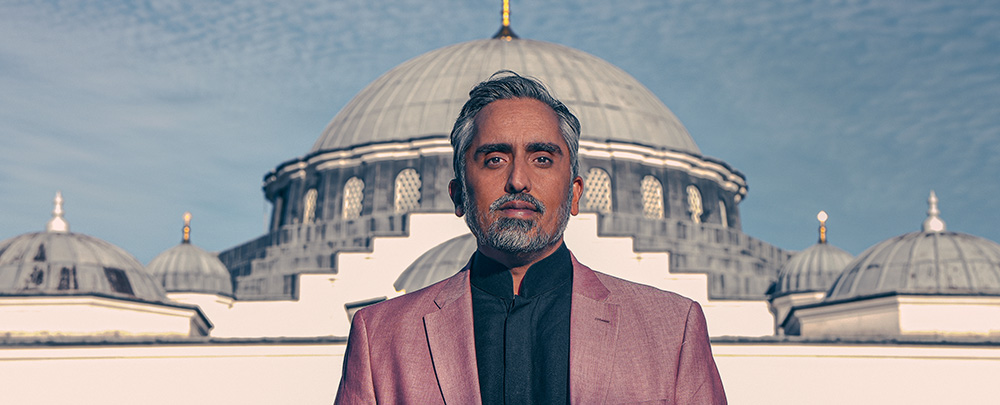
Ten years ago, a young and unassuming British-Azerbaijani, who’d recently had a spiritual awakening, released an album that catapulted him to stardom. Sami Yusuf, now 33, is known throughout the Muslim world for his spiritual songs about Islam. At the peak of his career, following the release of his 2005 album “My Ummah”, he was heralded as “Islam’s biggest rockstar”.
For many years, Muslims have been yearning for an alternative to the spiritually devoid content of popular mainstream music. An inevitable outcome has ensued: the beginning of the Islamic music industry.
The industry, however, is still in its infancy, with a small amount of artists competing and only one major record label, Awakening Records.
Music, however, is a controversial topic in Islamic jurisprudence, with many conservative Muslims rejecting its permissibility. In 2006, for example, journalist and former Taliban captive Yvonne Ridley (a convert to Islam) lambasted Yusuf in an open letter that went viral. The hysteria Yusuf was creating among his Muslim female fans was a step too far for Ridley. This mania “must be creeping around the globe and poisoning the masses”, Ridley said.
Despite this zeal to condemn Islamic music, it was the deeply nuanced and vast nature of the Islamic tradition with its multitude of interpretations and applications that has made its growing approval possible.
But the staunch opposition to Islamic music is symptomatic of a deeper problem. According to Dr Mohammed Fahim, a London-based imam, with the growth of Wahhabi Islam in the 20th century, the movement began to fight art in all its forms. Music is allowed in Islam, he says, providing there isn’t any vulgarity or obscenity in the singing or dress – something many Muslims, see as a truism.